

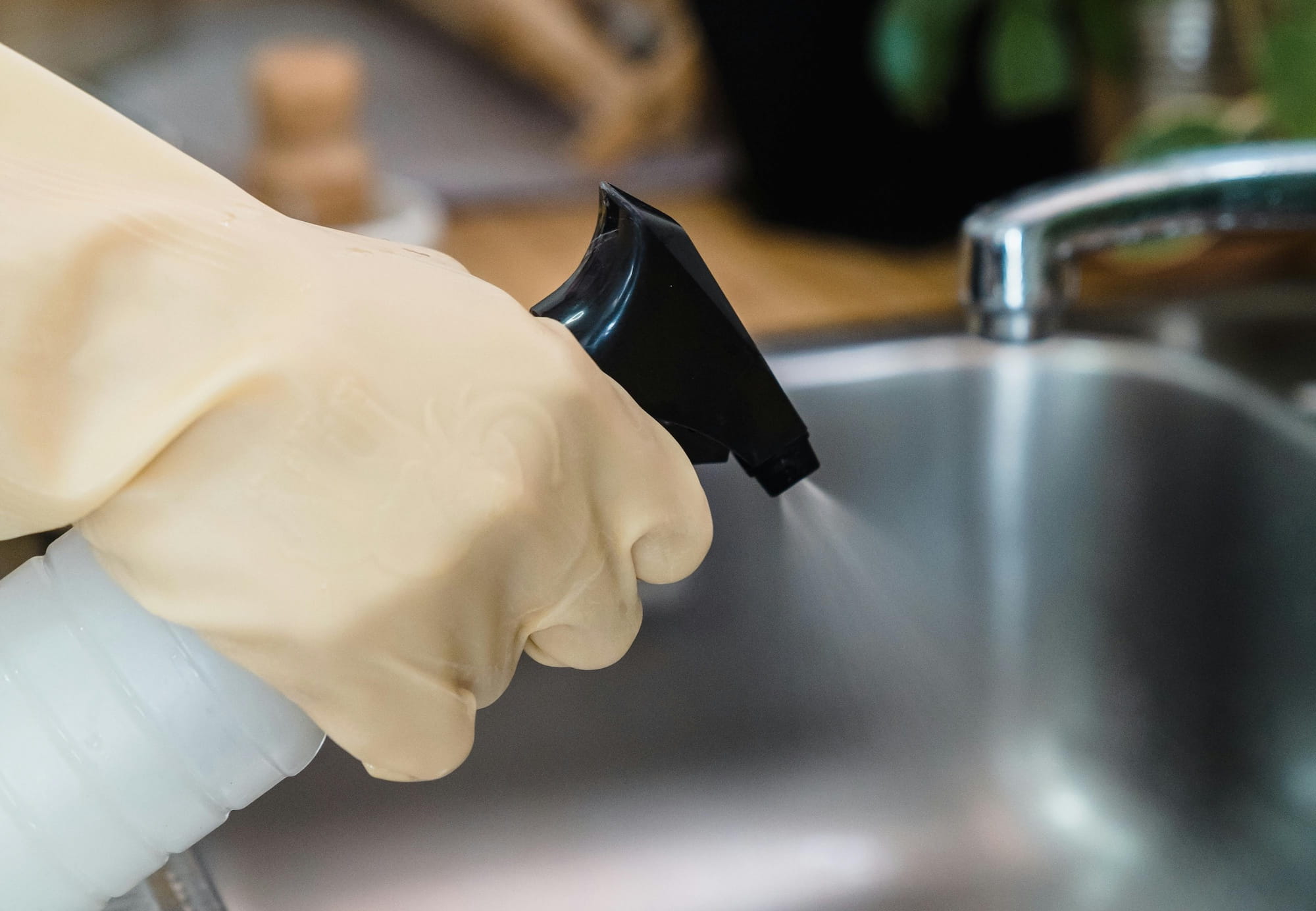
The Microbiology of the Domestic Kitchen
In a domestic kitchen, microbial populations exist in a constant state of flux. While many of these microorganisms are harmless, the introduction of raw proteins and unwashed produce can introduce pathogenic bacteria such as Campylobacter and Salmonella. To control these populations, we must employ chemical and thermal interventions designed to disrupt the cellular structures of these microbes, a process known as sanitization or disinfection depending on the log reduction achieved.
Log Reduction and Efficacy Levels
Sanitization is defined by its ability to achieve a “3-log reduction” (99.9%) of specific test bacteria within a set timeframe, usually 30 seconds. Disinfection, a more rigorous standard, requires a “5-log reduction” (99.999%). In a kitchen environment, sanitization is generally the goal for food-contact surfaces, as it balances effective microbial control with safety for human consumption. The goal is not sterilization (the total elimination of all life forms), which is impractical and unnecessary for a residential cooking environment.
Chemical Mechanisms of Action
- Quaternary Ammonium Compounds (Quats): These are common in many household sprays. They work by disrupting the cell membrane of the bacteria, causing the internal contents to leak out. They are effective but can leave a residual film that must be rinsed from food-contact surfaces.
- Sodium Hypochlorite (Bleach): This powerful oxidizer denatures proteins and destroys the metabolic systems of the cell. It is highly effective at low concentrations but is sensitive to organic “load”—if the surface is dirty, the bleach reacts with the dirt instead of the bacteria.
- Ethanol and Isopropyl Alcohol: These sanitize by dissolving the lipid membranes of bacteria and denaturing their proteins. Their primary advantage is that they evaporate quickly and leave no residue, making them ideal for electronic kitchen scales or thermometer probes.
Biofilms: The Hidden Infrastructure of Germs
One of the greatest challenges in kitchen sanitization is the formation of biofilms. A biofilm is a complex colony of bacteria that secretes a protective “slime” (extracellular polymeric substances) that anchors it to a surface. Once a biofilm is established—common in sink drains and textured cutting boards—it becomes significantly more resistant to chemical sanitizers. Physical agitation (scrubbing) is required to break the biofilm matrix before the chemical sanitizer can reach the bacteria hidden inside.
Thermal Sanitization in Appliances
Modern dishwashers utilize thermal sanitization rather than purely chemical means. To meet sanitization standards, the final rinse water must reach a temperature of at least 150°F (65°C) to achieve a “heat kill” of pathogens. This is why the “Sani-Wash” cycle on appliances is significantly longer than a standard wash; it requires time to raise the internal temperature of the dishes and the machine itself to the threshold where microbial proteins begin to coagulate and lose function.