
The Complex Matrix of Upholstery Fabrics
Upholstery textiles represent a diverse array of fiber types, including natural cellulosics (cotton, linen), proteins (wool, silk), and synthetic polymers (polyester, acrylic, nylon). Each of these fibers reacts differently to moisture, heat, and pH. Effective upholstery maintenance is a study in “sorbtion”—how fibers absorb and hold onto liquids—and how chemical solvents can be used to break those bonds without compromising the structural integrity of the textile.
The Phenomenon of “Cellulosic Browning”
A common risk when cleaning natural fibers like cotton or linen with water is cellulosic browning. This occurs when the fibers remain damp for too long, allowing lignin—a natural component of plant fibers—to wick to the surface as it dries, leaving a brown or yellow “tide mark.” This is a chemical reaction triggered by an alkaline pH and slow drying times. To prevent this, professional-grade upholstery cleaners often use “acid rinses” to neutralize the pH and utilize high-velocity air movers to accelerate evaporation.
Solvent Action and Polarity
- Aqueous Solvents (Water): Water is a polar solvent. It is highly effective at dissolving polar “soils” like sugar, salts, and proteins. However, it can cause “fiber swelling” in natural materials, leading to shrinkage or texture changes (pile distortion).
- Non-Polar Solvents (Dry Cleaning Fluids): These are used for “Code S” fabrics. Because these solvents do not contain water, they do not cause fiber swelling. They are specifically designed to dissolve lipids and oils without affecting the “hand” or feel of the fabric.
- Surface Tension and Wetting: Upholstery cleaners often include fluorochemicals or specialized surfactants to lower the surface tension of the cleaning solution, allowing it to penetrate the “napped” surfaces of fabrics like velvet or chenille.
The Mechanics of Extraction and Soil Suspension
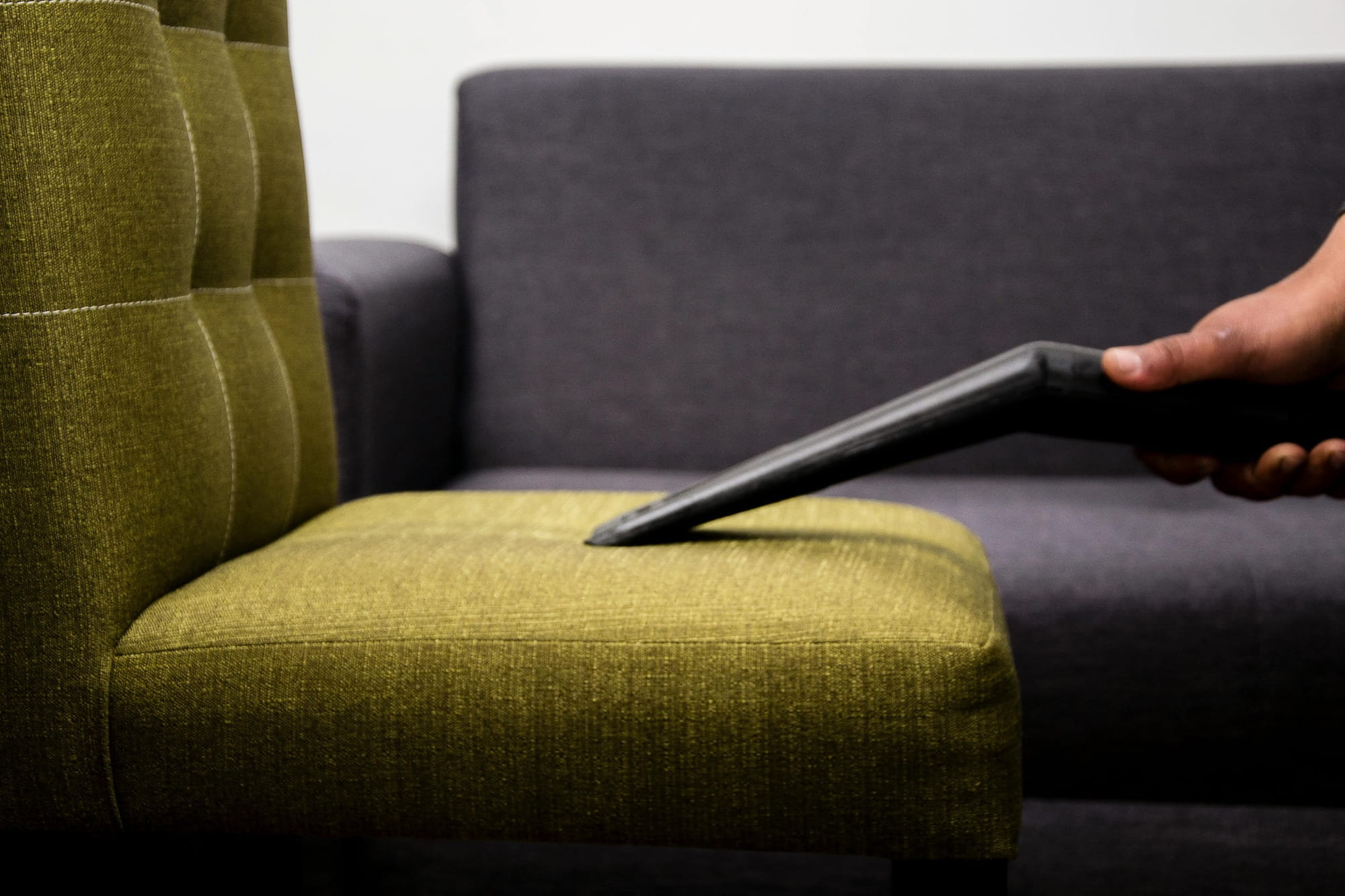
Deep cleaning upholstery involves “suspending” the soil within a liquid carrier. This is achieved through emulsification, where surfactants surround the dirt particles. The critical second half of the science is “extraction.” If the suspended soil isn’t physically removed from the fabric via vacuum or absorbent transfer, it will simply settle back into the fibers (re-deposition). This is why “DIY” foam cleaners can sometimes make a couch look worse over time; they add more solids (soap residue) to the fabric without effectively removing the original soil.
Microbial Control and VOC Management
Because upholstery acts as a “sink” for indoor air pollutants and biological allergens (like dust mite excrement), sanitization is a biological necessity. However, because sofas are large-surface-area items, the use of high-VOC (Volatile Organic Compound) cleaners can significantly impact indoor air quality. Modern upholstery science focuses on “green” solvents and botanical disinfectants that provide antimicrobial action through essential oil components like thymol, which disrupt bacterial cell walls without off-gassing harmful synthetic vapors into the home.